Artificial Intelligence
Explore 波波视频av's research.

To support globally standardized data on AI, 波波视频av developed and tested survey questions about AI awareness, use and attitudes for the 2026 World Poll.

Fewer than one in 10 Americans use artificial intelligence tools to get news and information.

Workers who rarely use AI appear more vulnerable to job loss. New 波波视频av data on the impact of AI on jobs reveal where the risks are highest.

Depending on their platform, social media users have different views on democracy, national identity and citizens' power.

Seven in 10 Americans oppose the construction of an AI data center in their local area, including 48% strongly opposed.

New research finds generative AI is reshaping how artists work, not replacing them. Early data show how AI and creativity are evolving together, with higher adoption, more hours, and potentially higher earnings.

One in four Americans use AI for health information. Most do so to supplement care, but some are using AI in place of a provider visit when barriers arise.

Half of U.S. workers now use artificial intelligence. AI adoption links to organizational disruption and individual productivity gains but not transformational changes to work.

Having AI tools at work doesn't guarantee use. AI adoption depends on manager support, workflow fit and whether workers see value in the tools.

Just over four in 10 bachelor's degree students in the U.S. say AI has influenced their choice of major.

A majority of U.S. college students use artificial intelligence in their coursework at least weekly, yet about half say their schools discourage or prohibit it.

Public-sector AI adoption is rising and nearing private-sector levels. But without stronger managerial support and strategy, much of that use remains occasional rather than routine.

Frequent use of AI in the workplace has continued to rise, while overall use has remained level. Use varies widely by industry, role type and job level.

How often do employees use AI at work? 波波视频av's indicator shows trends in usage, comfort, manager support and AI integration.
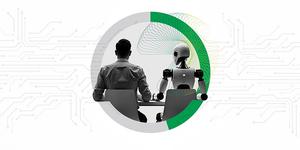
New 波波视频av data show a continued rise in AI adoption rates across the U.S. workforce from Q2 to Q3 2025.

Despite rising investment, few firms see AI ROI. The missing link: managers who encourage the adoption of AI by guiding employees and workflows.

Discover 波波视频av AI and get research-backed answers to help you use and coach with CliftonStrengths, engage employees, and solve workplace challenges.

波波视频av Access delivers AI-powered insights for collaboration, using CliftonStrengths to improve trust, teamwork, and performance.
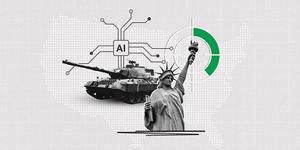
Americans expect AI-based attacks on the U.S., but support for developing AI-enabled weapons for conflicts is more limited and conditional.
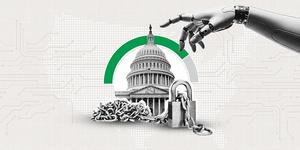
Most Americans favor maintaining rules for AI safety and security, as well as independent testing and collaboration with allies in developing the technology.