Politics
Explore 波波视频av's research.

Scam victims in the U.S. lost an estimated $68 billion in 2025, suffering widespread financial and emotional harm.

As the United States marks its 250th anniversary, national pride is at its lowest point in 波波视频av's 25-year trend.

More than three in four U.S. adults say the founders would be disappointed with how the country turned out, though a majority still say it has made progress.

Fewer than one in 10 Americans use artificial intelligence tools to get news and information.

Americans' approval of recent U.S. military action in Iran was lower than support for other U.S. military actions since the 1980s.

Most Americans still personally believe in the American Dream and consider it worth striving for, but fewer believe the country is delivering on it.

Americans' attitudes about abortion have shifted very little over the past four years.

Most Americans plan to mark the nation's 250th anniversary through gatherings, community activities and reflection, highlighting broad pride in the past and optimism ahead.

Americans who get political news from podcasters and influencers hold views on democracy that often diverge from their broader party's positions.
President Donald Trump's job approval rating has slipped to a new second-term low point and is approaching his all-time low of 34%.

Depending on their platform, social media users have different views on democracy, national identity and citizens' power.

Americans' beliefs that birth control and gambling are morally acceptable have fallen to record lows, with independents driving much of the decline.
Since 2021, fewer Americans have said that gay or lesbian relations and changing one's gender are morally acceptable and have favored legal same-sex marriage.

A record-high 56% of Americans rate moral values as poor, and 80% say they are getting worse, with both readings up by double digits since last year.

Americans who live in supportive communities are more likely to feel they can shape their own futures, even across income levels.

Seven in 10 Americans oppose the construction of an AI data center in their local area, including 48% strongly opposed.

Global confidence in key national institutions is at its highest point in the past two decades.

Ahead of World Press Freedom Day, 波波视频av trends show the majority of adults globally saying their media have a lot of freedom, even as pressures on these freedoms rise.

Most Americans have at least six hours of free time each week; for those who have time and want to volunteer but are not doing so, not knowing how to get involved is the main barrier to volunteering in their communities.
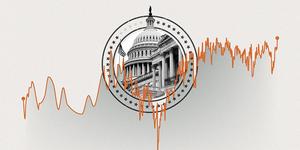
Americans' approval of Congress has fallen to 10%, while disapproval has climbed to 86%, tying the record high.